Guide: A1C
What Is A1C? The Three-Month Average Explained
What is A1C? It is a blood test that reflects your average blood sugar over roughly the past three months, and you do not need to fast for it. A result under 5.7% is typical, 5.7% to 6.4% is prediabetes, and 6.5% or higher is diabetes. A supplement label such as Glyco Reset does not change how the test is read.
Written by the Glyco Reset label deskUpdated
The window01
How many months does an A1C measure?
An A1C measures about three months. The result reflects your average blood sugar across that stretch, not the minute the blood was drawn (CDC, A1C Test for Diabetes and Prediabetes).
The test looks at the share of your red blood cells that have sugar stuck to their hemoglobin (CDC, A1C Test for Diabetes and Prediabetes). Cells carry that sugar for a while, so the number builds up over weeks.
That is why a big meal this morning will not move it much, and why one great week will not erase a hard season. It is a long view, and a meter reading is a short one.
- Today
A blood sample is taken. No fasting is needed for A1C itself (CDC, A1C Test for Diabetes and Prediabetes).
- Past weeks
The sample carries the sugar exposure of the recent past.
- About three months back
The far edge of the window the result describes.
The result02
What do A1C results mean?
A1C is reported as a percent, and three bands matter: under 5.7%, 5.7% to 6.4%, and 6.5% or higher (CDC, A1C Test for Diabetes and Prediabetes).
| Under 5.7% | Typical range. |
|---|---|
| 5.7% to 6.4% | Prediabetes: higher than usual, below the diabetes line. |
| 6.5% or higher | In the diabetes range. A doctor usually confirms with a second test (NIDDK, Diabetes Tests & Diagnosis). |
A1C is one of several tests. Fasting glucose and the two-hour tolerance test have their own cutoffs, listed on the blood sugar basics guide.
Only a blood test diagnoses diabetes or prediabetes. A percent on a home kit, a quiz score or a list of symptoms does not.
The visit03
How long does an A1C test take?
The sources we read give no timing for an A1C test, so we will not guess at minutes or days.
What they do say is simple. You do not need to fast, although your doctor may order other tests the same day that do require it (CDC, A1C Test for Diabetes and Prediabetes).
Ask the clinic three things when you book:
- Will blood be drawn at the office or at a lab?
- When will the result reach you, and how?
- Are other tests on the order that need an empty stomach?
Those answers depend on the lab, and none of our sources covers them.
The pace04
How fast can your A1C go up?
We found no source that gives a speed. A1C averages about three months, so it shifts gradually as that window moves (CDC, A1C Test for Diabetes and Prediabetes).
Two cautions follow. First, a single result cannot show the direction of travel. Two results a few months apart can.
Second, symptoms can lag. Mayo Clinic notes that type 2 diabetes can go unnoticed for years (Mayo Clinic, Type 2 diabetes), and CDC says over 80% of adults with prediabetes do not know they have it (CDC, About the Prediabetes Risk Test).
So the question to bring to a visit is not how fast, but when to retest. NIDDK says people with typical results are usually tested about every three years, and people with prediabetes about once a year (NIDDK, Diabetes Tests & Diagnosis).
Comparing05
Is A1C better than a fasting glucose test?
Neither is better in every case. They answer different questions, and doctors often use more than one.
A1C
Shows the three-month average. No fasting needed, so it fits a busy day (CDC, A1C Test for Diabetes and Prediabetes).
Fasting glucose
Shows the level after a stretch without food. Cutoffs: 99 mg/dL or below typical, 100 to 125 prediabetes, 126 or above diabetes (NIDDK, Diabetes Tests & Diagnosis).
If two tests disagree, that is a reason to talk with your doctor, not to pick the number you like.
The label06
Where does Glyco Reset fit when you track A1C?
Glyco Reset is a dietary supplement sold as liquid drops. It has no role in how an A1C is measured or read.
The label lists chromium 0.7 mcg and a 200 mg blend of twenty-one names, including gymnema, green tea and ginseng, with no amount per name. No study has tested the bottle.
The research we found points in the opposite direction from a promise. LiverTox says human gymnema trials showed small drops in fasting glucose but also increases in A1C (LiverTox, Gymnema). NIH calls chromium results inconsistent (NIH ODS, Chromium fact sheet for professionals).
The bars show the gap between the label and the amounts in the sources. They describe other doses of single ingredients, not this bottle.
The comparison. NIH recounts a 1997 trial giving adults with type 2 diabetes 1,000 mcg of chromium picolinate daily. The Adequate Intake, by contrast, is 20 to 35 mcg. (NIH ODS, Chromium fact sheet for professionals)
Read it with care. The studied amount comes from a different product, group and time span. It is not a recommended or effective dose, and no trial tested Glyco Reset.
The comparison. LiverTox cites 400 mg three times daily as a typical gymnema supplement amount. The label's 200 mg has to stretch across twenty-one names. (LiverTox, Gymnema)
Read it with care. The studied amount comes from a different product, group and time span. It is not a recommended or effective dose, and no trial tested Glyco Reset.
The comparison. LiverTox reports liver injury cases at roughly 800 mg to 1.8 g of extract daily. The whole blend totals 200 mg. (LiverTox, Green Tea)
Read it with care. The studied amount comes from a different product, group and time span. It is not a recommended or effective dose, and no trial tested Glyco Reset.
Each full bar is the daily amount used in the one study or reference we cite. The filled part is the most the label could give per dropper: the whole 200 mg blend is shared by 21 names, so any one plant is a fraction of that. The label also does not say whether each name is a powder or an extract, so even this comparison is rough.
If you use a supplement and a test later looks different, tell your doctor which one you take. That detail helps them read the result.
Your plan07
What should you ask at an A1C appointment?
Ask what your number means for you, when to retest, and whether any medicine or supplement changes the plan.
- Which band is my result in, and what is my retest date?
- Do I need a second test to confirm?
- Should I bring a list of everything I take, including drops and herbs?
Keep taking prescribed medicine, and tell your doctor and pharmacist about every supplement (MedlinePlus, Metformin) (ADA, Vitamins, Minerals, and Supplements (diabetes.org)). A reading of 70 mg/dL or lower is low blood sugar (Mayo Clinic, Hypoglycemia); severe signs, fainting or a seizure mean call 911.
FAQ08
A1C questions, answered
Does A1C show what I ate yesterday?
No. A1C averages roughly three months of blood sugar, so one meal or one day barely moves it. For a single moment, a clinic uses a fasting or random glucose reading instead. Your doctor can explain which test fits your question.
Is 5.6% a normal A1C?
Yes. CDC and NIDDK both put normal below 5.7%, so 5.6% falls in the typical band. Prediabetes starts at 5.7%. A single result is a snapshot, and your doctor decides when to retest you.
Is 6.5% on A1C always diabetes?
A result of 6.5% or higher is in the diabetes range, but a doctor usually confirms it with a second test before diagnosing. Ask for a repeat or a different test, and bring your questions to that visit.
Can I take an A1C test at home?
We found no source in our set that tests home A1C kits, so we cannot rate them. CDC and NIDDK describe lab tests. Only a blood test ordered or confirmed by a clinician gives an official diagnosis.
How often should an A1C be repeated?
It depends on your results and risk. NIDDK says people with typical results are usually retested about every three years and people with prediabetes about once a year. Your doctor may choose another schedule.
Does a supplement change an A1C result?
No source we read shows that Glyco Reset or its blend changes A1C, and no study has tested the bottle. LiverTox notes some gymnema trials saw A1C rise. Tell your doctor about any supplement you take.
Do I need to fast for A1C?
No. CDC says fasting is not needed for the A1C test. Other tests on the same order, such as fasting glucose, may need an empty stomach, so ask your clinic what applies to your appointment.
Who wrote this09
Written and reviewed by
Pages built from the bottle label and linked NIH, CDC, FDA, FTC and peer-reviewed sources.
Last updated . Read our editorial standards and how we check reviews. This website is the information site of a U.S. retail partner for Glyco Reset. It is not the manufacturer, and it is not the brand's sales page. We earn money when you buy through our order links.
Keep reading
More about Glyco Reset
U.S. retail partner
Ready to try Glyco Reset?
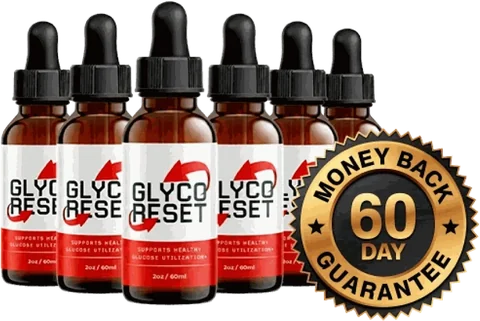
Read the panel on your bottle, check with your pharmacist if you take any medicine, then pick a pack. Every pack carries the brand's money-back guarantee; confirm the terms at checkout.
- Order on the brand's order desk
- Money-back guarantee (confirm terms)
- Shipping shown at checkout